



The importance of lightweight sports equipment
In outdoor sports, the quest for performance is inextricably linked to lightweight equipment. A lighter, well-designed bike improves aerodynamics and handling. A well-designed kayak reduces rower fatigue while maximizing speed. Skis, meanwhile, need to combine lightness and rigidity for optimum control.
Thanks to their unique combination of physical and mechanical properties, lightweight polymers are the materials of choice for such equipment. They offer an alternative to traditional materials such as metal or wood, while meeting the technical and eco-responsibility requirements of sportsmen and women.
Polymers and their specific applications
Bikes: lightness and strength for performance Modern bicycle frames incorporate advanced polymers to reduce weight while maintaining optimum mechanical strength.
- Epoxy resin-reinforced carbon fiber: this combination is ideal for high-end bicycle frames and wheels, offering extreme lightness and optimum rigidity.
- Fiberglass-reinforced polyamides: used for components such as cranksets and handlebars, they ensure good durability and increased resistance to torsion and impact.
Kayaks: maneuverability and durability in aquatic environments Modern kayaks, whether for the sea, rivers or calm waters, use polymers to meet the need for lightness and water resistance.
- Rotational-molded polyethylene: the leading material for kayak hulls, it combines flexibility and durability, which is essential for resisting impacts against rocks.
- Polyvinyl chloride (PVC): used for inflatable kayaks, it’s lightweight, waterproof and easy to transport.
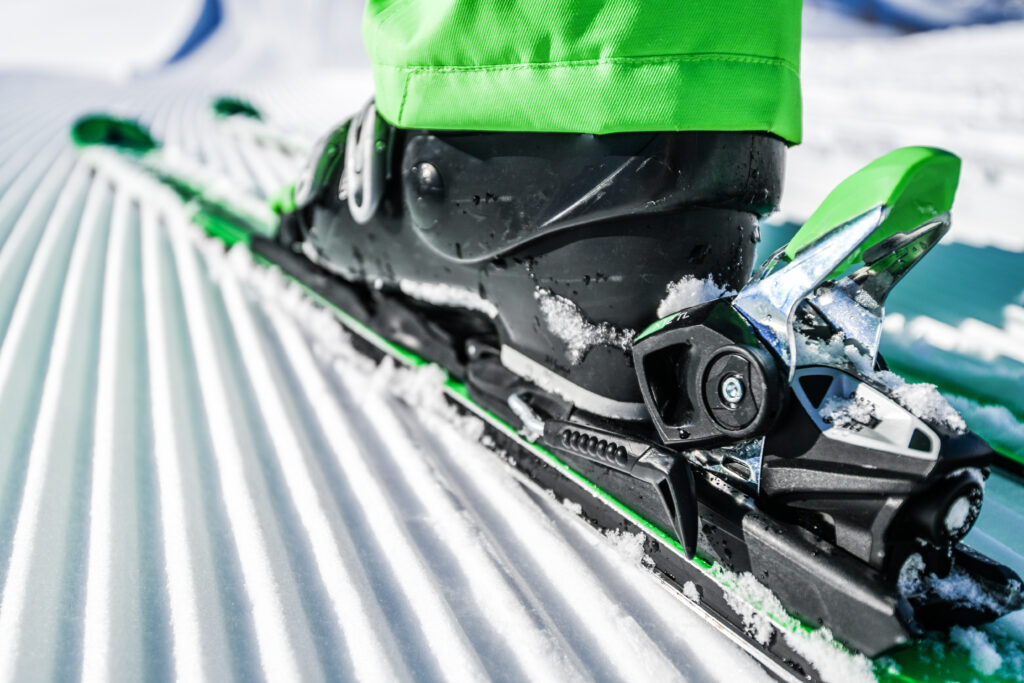
Skis: the perfect balance between lightness and performance Modern skis incorporate polymers to improve control and reduce fatigue.
- Expanded polyurethane: Used in ski cores, it ensures optimum lightness while damping vibrations.
- ABS (Acrylonitrile Butadiene Styrene): Placed on the edges of skis, it protects against impact while improving lateral rigidity.
- PA (Polyamides): widely used in fasteners, they offer an ideal combination of mechanical strength, stability and reliability.
- TPU (thermoplastic polyurethane) : used in particular in ski boots and certain top layers of skis, it is distinguished by its flexibility, abrasion resistance and ability to retain its properties under extreme conditions.
The advantages of lightweight polymers for equipment
- Improved performance Weight reduction facilitates movement, improves handling and reduces fatigue.
- Increased resistance polymers are designed to withstand impact, extreme weather conditions and wear and tear.
- Customization Thanks to their flexibility, polymers can be used to design tailor-made equipment, adapted to the specific needs of each discipline.
- Durability Modern polymers often incorporate eco-responsible solutions, such as recycled or bio-sourced materials.
Lightness is a key factor in sports equipment innovation. Thanks to advances in polymers, today’s athletes can benefit from higher-performance equipment, while reducing their environmental footprint. At AMP-POLYMIX GROUP, we remain in the vanguard to offer solutions adapted to tomorrow’s challenges.





Leave a Reply