



Bi-material injection molding is an injection molding technology that enables two materials or two colors to be combined in a single part. This process opens the way to a variety of innovative applications, and offers significant advantages in terms of design, functionality and reduced production costs. Let’s explore how it works, its applications, and the associated technologies.
What is bi-material injection?
Bi-material injection molding involves molding two different materials (or two variants of the same material) within a single production cycle. There are two main approaches to this process:
- Sequential injection: a first material is injected into the mold, then a second completes or envelops the first.
- Simultaneous injection: both materials are injected at the same time into separate or adjacent areas of the mold.
This process can be used to produce parts with a wide range of properties, such as a combination of stiffness and flexibility, contrasting textures, or the integration of specific functionalities.
What are the applications of bi-material injection molding?
This process has applications in many sectors:
Automotive
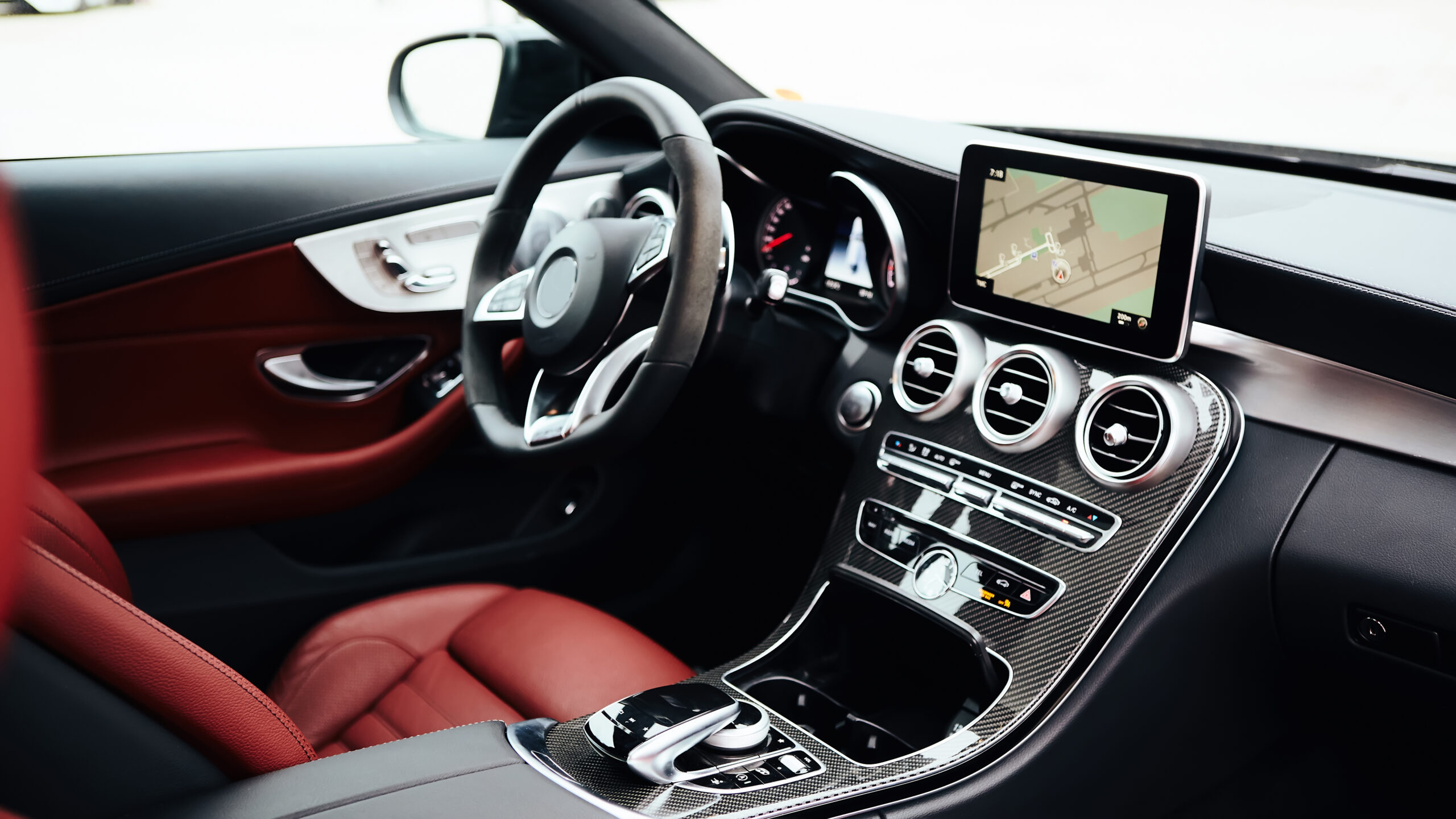
- Steering wheels and instrument panels: a combination of rigid plastics for structure and soft surfaces for a pleasant feel.
- Buttons and controls: integration of translucent zones for backlighting.
Electronics and household appliances
- Telephone and device housings: use of robust materials for the structure and non-slip elastomer zones.
- Keyboards: a combination of rigid plastics and elastomer key areas.
Medical and cosmetics
- Medical devices: manufacture of syringes or surgical instruments combining rigidity and soft zones for precise handling.
- Luxury packaging: combinations of glossy and matte textures for an attractive design.
Sport and leisure
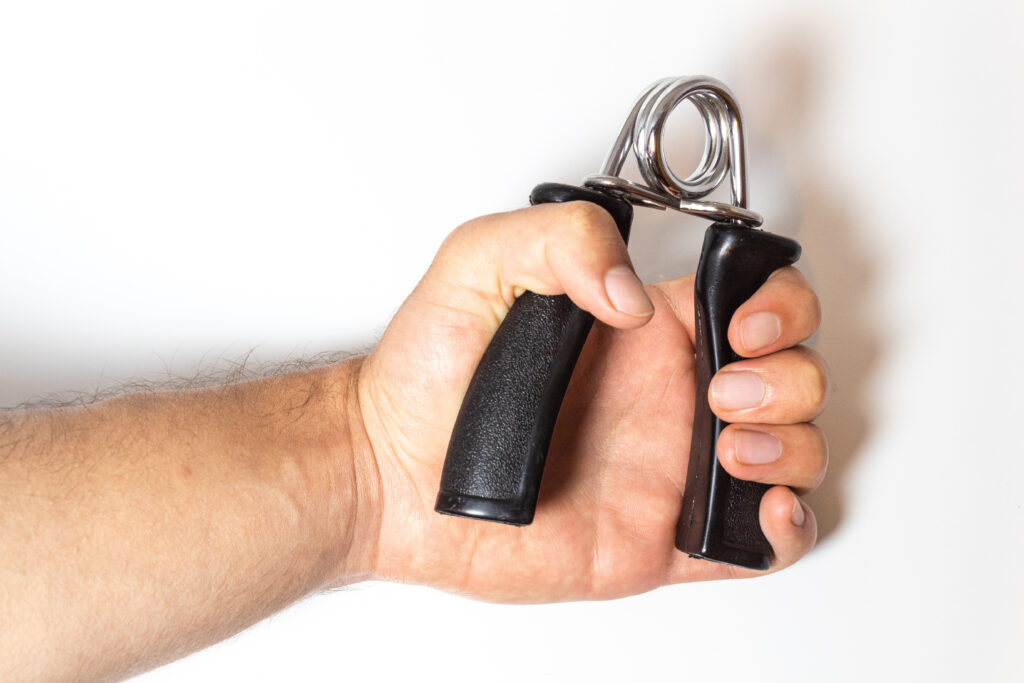
- Sports equipment: non-slip handles, ergonomic or decorative zones on equipment such as rackets or bicycles.
- Toys: a combination of materials to ensure both sturdiness and safety.
What technologies are used in bi-material injection molding?
Several technologies are deployed to meet the process requirements:
- Double-injector machines: equipped with two injection units, they enable the integration of two materials in a single cycle.
- Rotating molds: these molds rotate to allow the successive injection of two different materials.
- Overmolding: a first part is molded, then overmolded with a second material.
- Co-injection: two materials are injected simultaneously, often to create distinct layers (central core and outer shell).
Possible textures and finishes
Bi-material injection molding offers a wide variety of textures and finishes:
- Soft-touch: a soft, pleasant-touch surface, ideal for handles.
- Translucent or opaque zones: useful for functions such as backlighting.
- Decorative effects: incorporating patterns or contrasting colors for an attractive visual effect.
- Varied resistance: combination of impact-resistant materials with flexible zones.
The advantages of bi-material injection moulding
- Cost optimization: by combining several functions in a single part, this process reduces the number of assemblies and simplifies logistics. In some cases, recycled material can also be used in the inner layers of the part. This lowers costs while preserving the exterior appearance.
- Enhanced design: allows innovative creations by combining colors, textures and a variety of uses.
- Functional versatility: specific mechanical constraints can be met using complementary materials.
- Durability: a part made of two materials can offer greater longevity and strength.
Bi-material injection molding is revolutionizing the manufacture of plastic parts, combining aesthetics, functionality and performance. Thanks to its flexibility and wide range of applications, this process is a major asset for industries seeking to innovate while optimizing their costs.


Leave a Reply