


The Importance of Packaging in the Cosmetics Industry
In the world of cosmetics and luxury goods, the safety and preservation of formulas are top priorities. Active ingredients, which are often sensitive to light, oxygen, or moisture, require specialized packaging. This packaging must not only protect the formula but also meet strict standards to prevent any chemical interactions or contamination.
At the same time, consumers and brands today are demanding more environmentally friendly solutions. This is where materials such as those from Sulapac and the advanced polymers from AMP-POLYMIX GROUP provide real added value.
Sulapac Materials: An Eco-Friendly Innovation
Sulapac develops bio-based and biodegradable materials that are ideally suited for cosmetic packaging while meeting safety requirements:
Bio-based and biodegradable
- Sulapac materials are made from FSC-certified wood and natural binders.
- They offer a sustainable alternative to conventional plastics, while preserving the formulations of cosmetic products.
High chemical resistance
- These materials are designed to withstand complex formulations, including products containing essential oils or active ingredients.
Design and Aesthetics
- Sulapac offers great design flexibility: high-end finishes and customizable colors and textures to meet the expectations of premium brands.
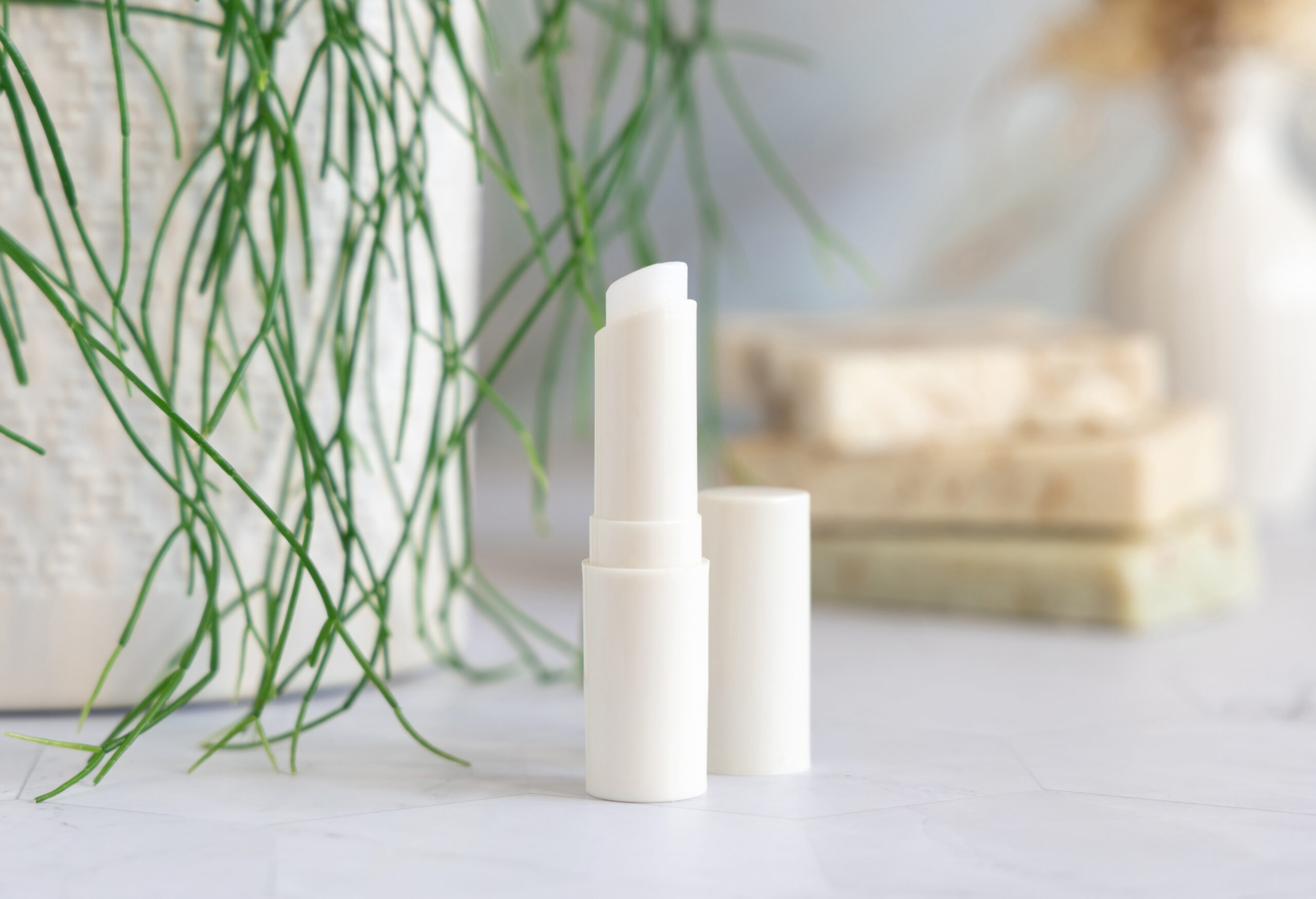
- Products such as ARKEMA’s Rilsan Clear ensure high transparency for the manufacture of premium lipstick tubes, for example.
These innovations demonstrate that it is possible to combine environmental responsibility with technical compatibility in cosmetic products.
Key Standards for Plastics in Cosmetics
To ensure the integrity of formulations and consumer safety, plastic packaging for cosmetics must comply with several regulations and standards depending on the intended use and the market in which it is sold:
European Cosmetics Regulation (EC) No. 1223/2009: requires that packaging not contaminate the product. Migration testing is essential to verify that plastic components do not release undesirable substances.
ISO 15378: a standard for primary packaging for pharmaceuticals and cosmetics; it establishes guidelines for Good Manufacturing Practices (GMP) to ensure the safety and quality of materials.
FDA (Food and Drug Administration, United States): For products marketed in the U.S., plastics must comply with the FDA’s requirements for food contact, as many of these criteria are similar to those for cosmetics.
Specific tests for chemical compatibility:
- Resistance to formulations: Essential oils, acids (e.g., hyaluronic acid), or solvents must be tested in contact with the plastic material to prevent any degradation of the polymer or chemical interaction.
- Physical barriers: Packaging must protect formulations from oxygen, moisture, and light to prevent oxidation or degradation.
Here are a few examples of applications for which the packaging must be adapted:
- Moisturizers
- Serums & Essential Oils
- Sun Care Products
- Mascara and Lipstick
- …
AMP-POLYMIX GROUP and the Future of Cosmetic Packaging
At AMP-POLYMIX GROUP, we draw inspiration from innovative trends to offer solutions that combine technical performance with environmental responsibility.
We work closely with our manufacturing partners to ensure that the polymers we supply:
- Comply with applicable international regulations.
- They provide optimal protection for even the most complex cosmetic formulations.
- Incorporate eco-friendly alternatives, such as recycled or bio-based materials.
The future of cosmetic packaging depends on a balance between formula safety, user satisfaction, and environmental sustainability. Thanks to all these innovations, brands can combine technical performance with a positive environmental impact.




Leave a Reply