


A revolution in the automotive industry
Faced with the need to reduce CO₂ emissions and the rise of electric vehicles, automakers are turning to innovative materials to meet their goals (weight reduction, battery protection, aesthetic components, safety features, under-the-hood parts, etc.). Engineering plastics are emerging as essential solutions thanks to their unique properties, which enable manufacturers to meet these challenges while ensuring safety, performance, and aesthetics.
Vehicle Weight Reduction: The Key Role of Engineering Plastics
Engineering plastics offer an exceptional strength-to-weight ratio, making them a key component of weight-reduction strategies. By replacing heavier materials such as steel or aluminum, these polymers enable a significant reduction in total vehicle weight while providing excellent mechanical strength:
- Overall Weight Reduction : A 10% reduction in a vehicle’s weight can reduce its fuel consumption by 6 to 8%.
- Performance Optimization : By reducing the weight of parts, plastics improve energy efficiency and increase the range of electric vehicles.
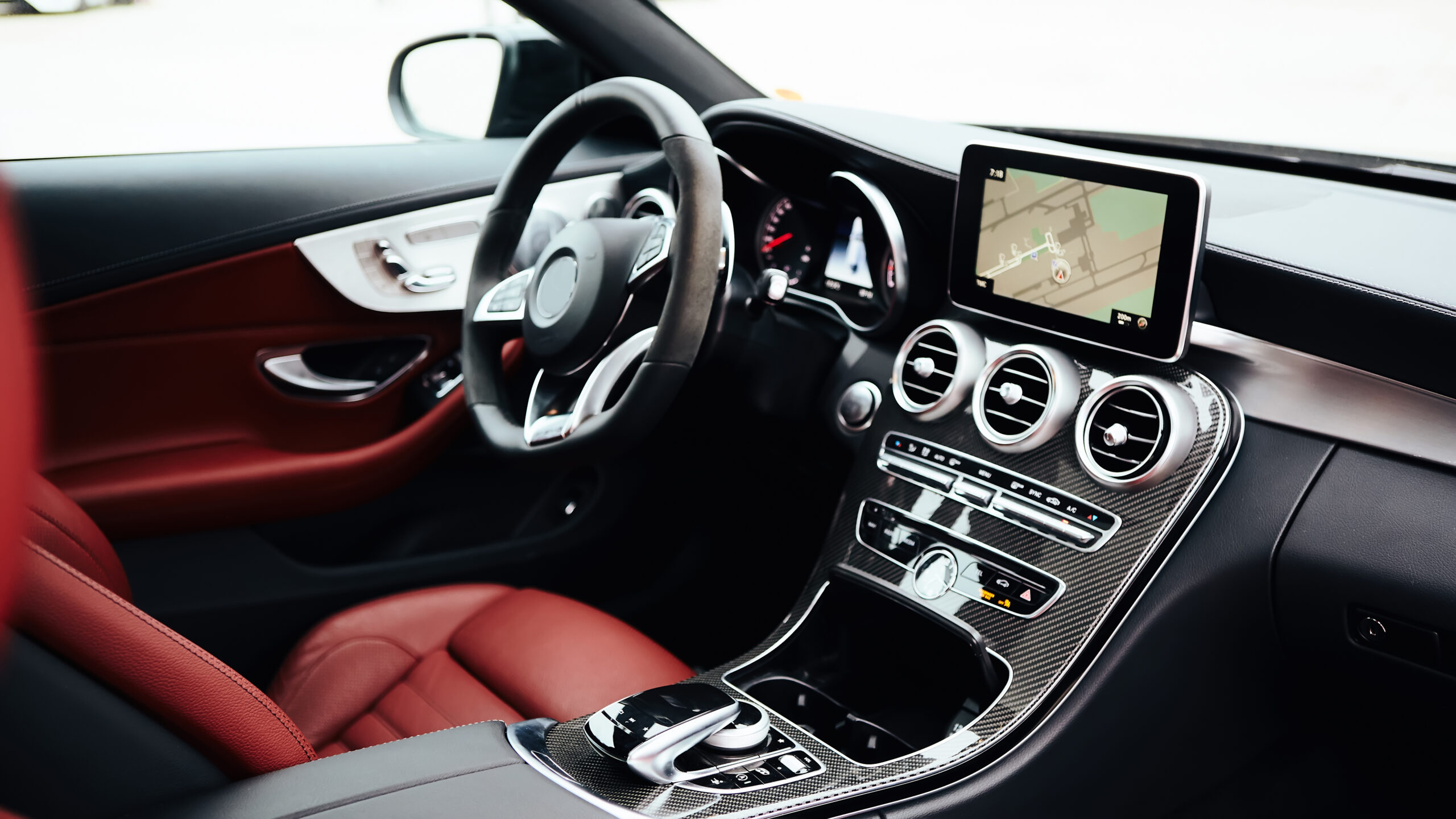
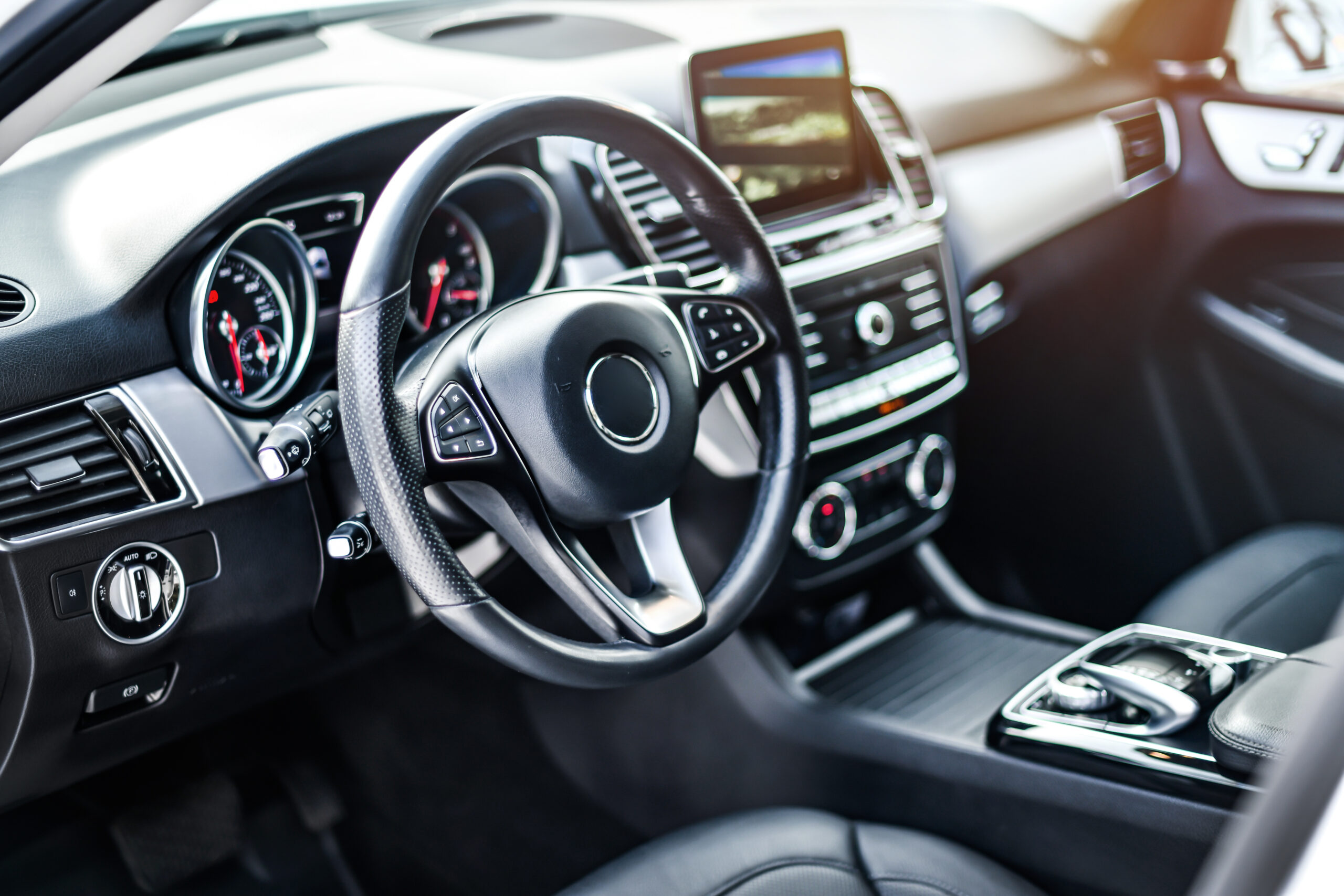
For example, polymers such as polycarbonate (PC) or polyamide (PA) are commonly used in applications such as instrument panels, fuel tanks, and lighting modules.
Electrification Is a Top Priority
With the shift toward electric vehicles (e-mobility), engineering plastics are finding new strategic applications:
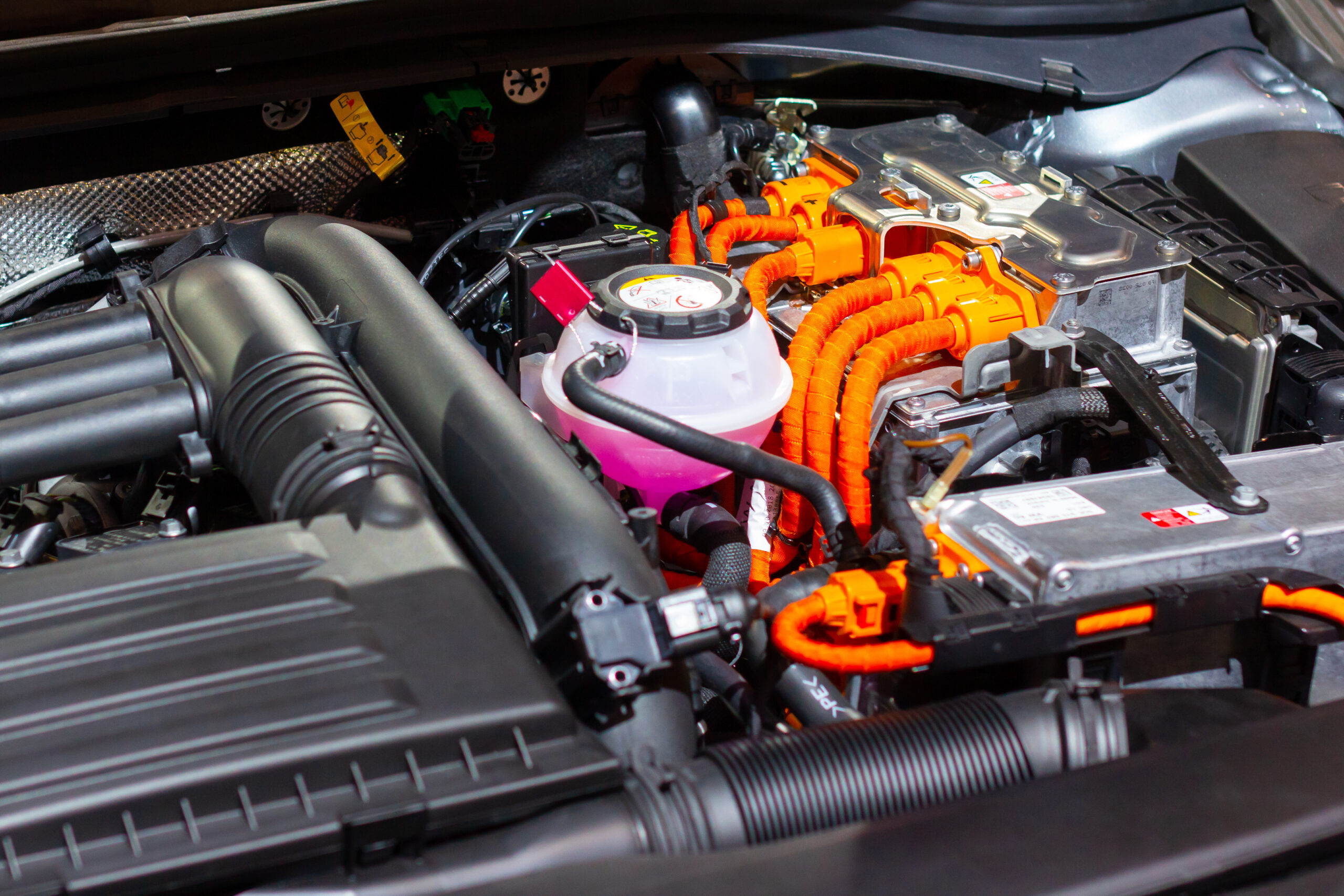
- Electronic Components and Batteries : High-temperature-resistant plastics, such as PEEK or PPS, are essential for insulating and protecting batteries and electronic circuits.
- Thermal Management : Certain polymers effectively dissipate heat, helping to cool batteries while ensuring their reliability.
- Enclosures and Cases : Lightweight, durable, and flame-retardant, plastic is replacing metal in the protection of sensitive electrical components.
Notable Technical Specifications
Engineering plastics offer properties tailored to the demands of the automotive industry:
- Chemical Resistance : Polymers such as PVDF and PA can withstand harsh environments (exposure to fuels, oils, and coolants).
- High-Temperature Resistance : Plastics such as PEEK and PPS maintain their performance even at temperatures above 200 °C.
- Impact Resistance : Essential for safety, the durability of engineering plastics ensures the reliability of both structural and aesthetic components.
- Aesthetic and Design Components : Thanks to processes such as metallization and galvanization, plastics offer an aesthetic similar to that of metal finishes while reducing weight.
Metal Plating and Galvanizing: High-End Finishes for Attractive and Durable Parts
Engineering plastics make it possible to incorporate advanced processes such as metallization and electroplating to achieve specific finishes on automotive parts. These techniques offer significant advantages for both aesthetic and functional applications.
- Metal plating involves coating a plastic part with a thin layer of metal, often applied through vacuum deposition or spraying. This process is used for components that require a premium aesthetic, such as grille bars, door handles, or dashboard trim.
- Galvanizing provides both a metallic finish and improved corrosion resistance, which is essential for parts exposed to harsh environments.
These treatments also help reduce the weight of components while ensuring a finish and properties similar to those of metal. As a result, incorporating engineering plastics into these processes gives parts a high-end look while meeting performance requirements.
An asset for the future of sustainable mobility
Engineering plastics are at the heart of innovations designed to meet the needs of tomorrow’s vehicles. They not only help reduce environmental impact but also enable the development of reliable and aesthetically pleasing technical solutions. By combining lightweight design, performance, and durability, these materials are actively contributing to the transformation of the automotive industry.
In short, their widespread adoption by automakers underscores their essential role in making vehicles lighter and more electrified, while meeting safety, efficiency, and design requirements.



Leave a Reply